
28th July 2025
Dear Readers
This Website covers Regional TV in northern NE England and the Scottish Border area, the deficiencies relating its local and wider Regional TV News-coverage (and indeed National news-coverage) with regards to the large area extending from the River Tyne all the way up to North Berwick and westwards to the A7. The issues- on culture- discussed in this article are also relevant to the remainder of NE England, North Yorkshire, Cumbria, the Isle of Man, northern Lancashire, East Yorkshire and the rest of Scotland.
The premise of this Website is that issues unique to NE England, especially north of the Tyne and the Scottish Borders are not covered by Regional and National TV News, which is fitted to an NE English or English/ British-specific audience as a whole, most of whom live in cities further south. North Northumbrians and Scottish Borders folk therefore get little coverage of news that is relevant locally, and they do not get news covering wider regional links and issues that may be altogether very different to the country as a whole. This is unacceptable.
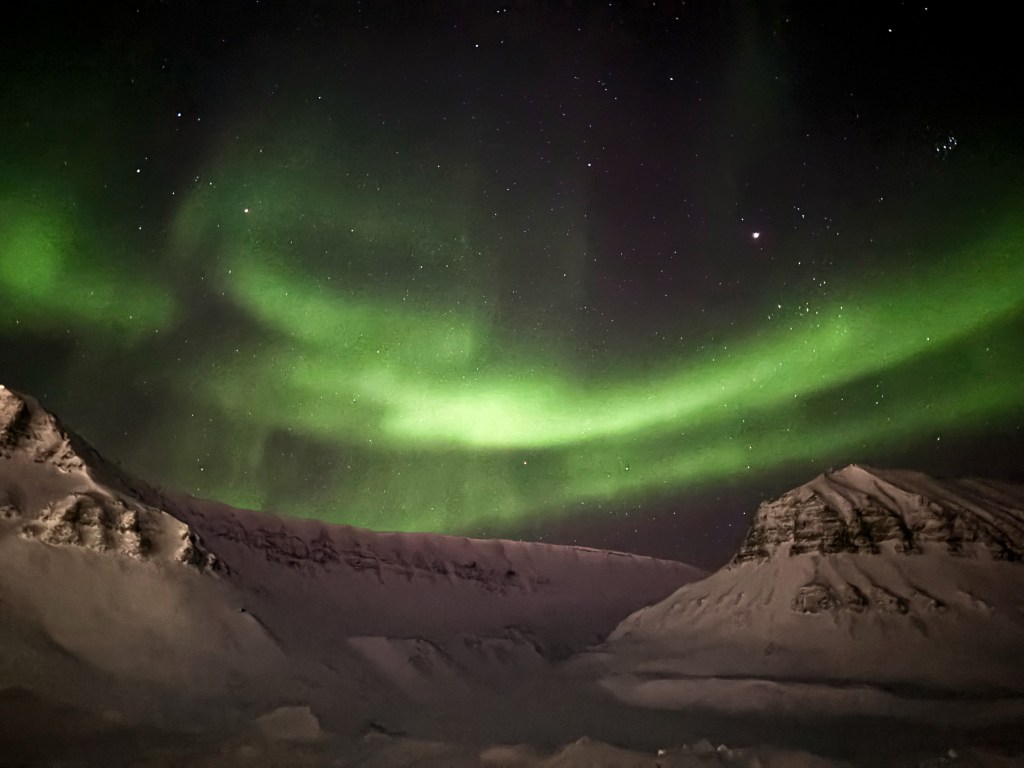
The population of Northumberland, the Scottish Borders and East Lothian is about 550,000 (from recent census data), more than a million if we add the northern side of Newcastle-upon-Tyne and North Tyneside. This may be little over 1% of the entire UK population, but in aggregate over a million folk is equivalent in population-size to Birmingham (the UK’s second-largest city). Imagine the outcry if Regional TV in the West Midlands only had 10% coverage of Birmingham, but rural Northumbrians and Scottish Borders folk are expected to put up with that day after day.
There are wider regional links, which in Regional news should feature places up to an hours’ drive away but no more. For folk living in Berwick-upon-Tweed both Newcastle-upon-Tyne and Edinburgh are within one hours’ train journey, but also being on the coast fishing vessels can get right out into the North Sea to the north-east, construction- workers can also be involved with the new wind-farms off the coast such as the Berwick Bank Wind Farm (some 30 miles north-east of Berwick out in the North Sea, so easily reachable in an hour with a small motor-boat in good weather).
However, there are wider Regional links and concerns, that might be better suited to National Documentary broadcasting that this far north-east in the UK will be fundamentally different to the rest of the country. This does not get covered locally or in the national broadcasting serving this huge rural region encompassing Northumberland, the Scottish Borders, and East Lothian. In terms of economic, travel and tourism there are strong links between this huge area astride the Scottish Border and other parts of Scotland, NE England and indeed with Norway.
Cultural and Music links between Northumbria, Scotland and Norway
But it is the cultural and musical links that tie Northumbria, Scotland, and Norway together in a way that cements common outlook, similar musical talent and indeed in other areas like the film industry. It is not only Regional TV that fails to recognise this but BBC local radio and commercial local radio stations, which always seem to play the same mix of British (and some American) pop-music. In Scotland, there is a mix of Scottish Gallic and folk music, less so for the south-east part of Scotland (covering the Scottish Borders). Even in this far- flung north-east quadrant of the UK, there is scant recognition that Norwegian music, which features some talented artists, might be of interest.
It is assumed (wrongly) that because English is the mother tongue spoken in Northumbria and the Scottish Borders that folk won’t want to know anything in a language that is not English. Traces of old Norse are found in the Northumbrian and Geordie dialects, so it might be surprising how excellent Norwegian music could win out against some trashy Californian pop-act from several thousand miles away (with no local relevance) in Northumberland and the Scottish Borders!
Incidentally, this assumption about folk not liking music in a language other than their own, is wrong, particularly in northernmost parts of Britain where Gaelic/ Gallic and Nordic links to music are significant. At the end of June 2025, I went for a few days’ break to the Cairngorms; on the bus on the way back from Aviemore to Glasgow the bus-driver had songs in Scottish Gallic playing quite audibly. None of the passengers objected, in fact they all seemed quite happy. Scottish Gallic is spoken as a first language in very few places, such as on the inner and outer Hebrides, and only 2% of Scots can speak it at all. However, the language is part of their heritage and Scottish folk do not object to hearing it spoken or sung. There are cultural and music links with Norway in Tyneside, in rural Northumberland, and in Scotland, and as such it would, likewise, be ridiculous to suppose the hearing of Norwegian folk music (which has characteristics similar to North English or Scottish/ Irish Gaelic folk music) would cause offence to the local populations as a whole.
Neither the BBC, ITV (in Scotland, STV) or local commercial TV and radio outlets seem to consider the different, and important, cultural connections that exist north of the 55th parallel compared to the rest of the UK. Their view is that Britons don’t like foreign music that is not English full-stop. But there are, for example, local radio stations that cater for immigrant communities from Pakistan, Afghanistan, and Iran on The Asian Network slot on BBC Radio Lancashire and BBC Radio Manchester in NW England. So, if special programming can be provided for Asian immigrants on BBC Local Radio, what about special Nordic programming or music for listeners who live near the Scottish Border who have links across the northern North Sea- a significant of the one million-plus viewers who live north of the River Tyne up to near Edinburgh have either visited Norway, worked with Norwegian colleagues in the oil, renewables or fishing industries or they have had exposure to Norwegian or Sweden folk music.
Links between Northumbrian, Scottish and Norwegian Folk Music
Folk music, featuring a guitar, a fiddle, an accordion and/ or Scottish bag-pipes have long been part of the Northumbrian music scene. In Norway, an accordion features more heavily in folk and even in pop-music. Even across the last twenty years there is some excellent folk music from across these Northern and Nordic regions. A selection of the following folk- artists/ bands shows the cultural links in this type of music, and the quality of it in terms of superb, catchy melodies. From each region I attach a link to You tube clips for some of the best:
Northumbria
- Roddy Matthews (Northumbrian fiddle-player) playing Leaving Lordenshaw: with Iain Anderson accompanying on an accordion: https://www.youtube.com/watch?v=T6_AWE5kA2w
- Kathryn Tickell (Northumberland pipes) playing Our Kate/ The Welcome Home: https://www.youtube.com/watch?v=rra7sMVxeG0
- Chris Ormston (Northumbrian small-pipes player from Prudhoe, Northumberland) playing (with violin) The Swing Bridge Rant: https://www.youtube.com/watch?v=l1g_oOWVLLA
- Mark Knopfler (formerly of Dire Straits fame) Fare Thee Well Northumberland: https://www.youtube.com/watch?v=h-cA_Znry2k&pp=0gcJCfwAo7VqN5tD
- Will Atkinson (country music, plays with a fiddle) Hexham Races/ Stool of Repentance: https://www.youtube.com/watch?v=6fBeHeXdK5I
- Jason Arnup (Hexham Rock and Country singer with drums and a guitar) playing It’s Summertime: https://www.youtube.com/watch?v=bgyk0q1tsXo
Scotland
- Mánran (Scottish Gaelic folk group with pipes and a guitar) singing Latha Math (in English A Good Day), which is a song about a lovely spring day on the Isles of Hebrides: https://www.youtube.com/watch?v=Yg9xA855s_A
- Tannas (another Scottish Gaelic folk group who play with drums and a fiddle) singing Mairead Nan Cuiread (in English Wily Margaret) which is a song about a despondent young lady who feels she has been slandered and betrayed by those she trusted: https://www.youtube.com/watch?v=zJolZxVvj-0&pp=0gcJCfwAo7VqN5tD
- Callum McPhail (Scottish singer, originally from Fort William, Scotland). Celtic-style music with Scottish pipes, a guitar, drums, and an accordion. Here he is singing Bonnie Wee Jeannie: https://www.youtube.com/watch?v=dml12YniRD0
- Westward The Light (Scottish folk quartet based in Glasgow). Traditionally Scottish Celtic music with a fiddle, viola, piano and a guitar.). An example of their music is Dolina which can be found here: https://www.youtube.com/watch?v=hfwoZmn4MgA
- Martyn Bennett (Canadian-Scottish folk and pop-singer, born in Newfoundland, but who spent most of his short life on the Isle of Mull and in Edinburgh. He died of cancer aged just 33 years-old in 2005). His music featured Northumbrian/ Scottish pipes and fiddles, and with a modern dance-music twist. An example of his music is Nae Regrets, reflecting his defiant strength in the face of his failing health : https://www.youtube.com/watch?v=fJIhGqskP5w
- Skippinish (Music band most of whom have roots in the Hebrides or northern Scotland). Their music is delightful Scottish blend of Scottish Celtic singing with bag-pipes, accompanied by accordion, fiddles, drums, bass and electric keyboards and dance pop-music. An example of some of their music is Walking On The Waves: https://www.youtube.com/watch?v=xNn2UdI-kvA
Norway
- Vassendgutane (A music band that produces a western Norway flavoured dance country-style music, and whose members originate from the village of Ørsta, in the county of Møre og Romsdal, in western Norway. They play music with an accordion, electric and acoustic guitar). In this song they are singing about a favourite pastime for many Norwegians when they need a short break- going to their hytte (Norwegian for cabin) in the country and- in this song- having a good time. This is Hytta Mi (Norwegian for My Cabin): https://www.youtube.com/watch?v=UZpGWu54JWw
- Tomgang (Country music band from southern Norway, lovely Norwegian music with accordion and a guitar). An example of their songs is Ut På Sjøen (Norwegian for Out To Sea) which is a song about sailing in a little boat in fine weather, enjoying the lovely atmosphere and the camaraderie on the boat: https://www.youtube.com/watch?v=hM0fzWOjzmI
- Halva Priset (Norwegian pop-group with origins in south-east Norway, not far from Oslo. As a pop-group but they play some very good music with electric guitar, drums, accordion and piano, a wonderful Nordic blend). An example of their music is about a young farmer making money from selling farm-produce locally- Gårdsgutt (which is Norwegian for Farm-hand): https://www.youtube.com/watch?v=AKHilguqGC0
- Malin Reitan (Child pop-star, bought up near Trondheim, Norway. She had a fantastic singing voice and produced songs in the Trøndisk dialect which is local to the area around Trondheim). Child pop-stars with excellent singing voices are not uncommon in Norway, and they provide a unique insight into Nordic musical culture. A good example of Malin Reitan’s songs is Sommer Igjæn (Norwegian for Summer Again) which is a song about her enjoying the arrival of summer at last, that it wasn’t so long it was still like winter- but now the Summer is here once more it is great to go out with her friends, to go to the beach, etc. The song- played live- is here: https://www.youtube.com/watch?v=ftyU9lXM7QE
- Simen Lunde (Norwegian rock- pop artist with a great singing voice and wonderful accompaniment of pipes, drums and acoustic guitar). A fine example of his music is Fjellet (Norwegian for The Mountain) which is another song about getting away for the weekend with friends to his cabin (hytta) for the weekend and having a great time: https://www.youtube.com/watch?v=N4R0YZK4pAo
- Oslo Ess (Norwegian Rock/ Pop band which produces music in both Norwegian and English, with guitar, bass and drums in an exquisite Nordic style). An example of their music is Vårt Andre Hjem (Norwegian for Our Second Home), it is a song about their Jaguar car being their second home and them having great fun driving fast in it: https://www.youtube.com/watch?v=3vuF_DUwhpg
There are defining characteristics to folk and country music across northern Britain, Ireland and indeed right across Scandinavia. It is typically characterised by pipes, accordions, violins, and often with a guitar and/ or a fiddle. In Norway, the fiddles are often Hardanger fiddles, made from a special hard type of wood local to the Hardangerfjord and surrounding districts, which is ideally suited to producing excellent tunes. And the folk/ country music scene north of the 55th parallel is characterised by excellent musicians and singers.
Music aside, there are other cultural influences that blend NE England, Scotland, and Norway together. One is a love of the outdoors, Norwegians love their hyttas, examples of which is hinted at in the music by Vassendgutane and Simen Lunde referred to above, whilst in Scotland and North East England folk can stay in mountain shelters (or bothies), or mountain lodges (self- catering cabins, some of which have hot tubs) if they go walking and stay overnight in remote mountainous areas. Perhaps one of the best examples of such a bothy in a remote upland location in northern England is in eastern Cumbria on the northern slopes of Cross Fell called Greg’s Hut, situated at 700 metres above sea-level. A link to it is here: https://www.gregshut.org.uk/.
Other Northumbrian, Scottish and Norwegian links- and ETIAS
As I have covered in previous articles on this Website, the north-eastern quadrant of the UK is also linked to Norway through linguistic influences, tourism, and industries in the North Sea that bring folk from Scotland and NE England into contact (and collaboration) with Norwegian colleagues. Folk living in north and east Scotland and in parts of Northumberland have Nordic blood ties and ancestry too. Almost half of Shetlanders have Nordic ancestry and 30% of Orcadians according to a 2011 article, an article which also illustrates the business ties that exist between Scotland and Norway (details here: https://www.theguardian.com/commentisfree/2011/oct/04/scotland-norway-special-relationship). Across the remainder of Scotland and in Northumbria some 10% of DNA in folk is of Nordic origin, illustrating the effect of ancient Nordic ancestry.
Commercial ties between northern Britain and Norway are extensive, with Norwegian-run businesses contributing over £2 billion to the Scottish economy and employing over 6,000 people. There has also been efforts at a national level- at least in Scotland to form closer ties between all the Nordic countries and Scotland (details here in this article: https://nordics.info/show/artikel/how-nordic-is-scotland). North-east England also has commercial and local government links to Norway through the various North Sea industries, Oil and gas in recent decades, renewable energy today. More pertinent is the fact that thousands of Northumbrians and Scots have parents, uncles, and cousins alive today who live in Norway or Sweden. And thousands more have friends, partners and colleagues who are Norwegian through travel, through North Sea industry, etc,. whom they will have met, and through the cultural links outlined above.
The ETIAS Hard Border in the North Sea
All of these ties, the friendships, ties with Norwegian family relationships, ease of visiting Norway (which is beautiful), and of course collaboration in North Sea industries is put at risk by a planned- and soon to be implemented Visa Waiver Scheme for the Schengen Area called the European Travel Information and Authorisation System (or ETIAS, for short). It is a screening programme to stop people who might be a danger to Schengen Area citizens (those living in the EU- less Ireland, but also Iceland, Norway, and Switzerland). All UK citizens will, unless they have parents who have Schengen Area citizenship, require an ETIAS Visa Waiver to enter Schengen, along with citizens of some sixty other countries like the USA, Canada, Mexico, and Australia who will need a Visa Waiver to visit mainland Europe and Scandinavia.
At the time of writing the ETIAS programme is due to be rolled out in the autumn of 2026, having been put back more than once because the IT infrastructure of some Schengen countries was not ready. However, it will become a part of travelling to Europe for millions of Britons fairly soon, and that will include Northumbrians and Scots wanting to visit Norway for a break, or to visit relatives and friends there. The ETIAS Visa Waiver Scheme is something that will directly impact on potentially one million folk living in Scotland and Northumbria who have wider regional ties with Norway through careers, family, short-haul travel-breaks, etc. Given this potential impact it is shocking that communities from Tyneside northwards receive no news or documentary coverage regarding ETIAS and how it will adversely impact on Scottish/ Northumbrian and Nordic relationships and links in future. But this far NE quadrant of the UK really needs to know about ETIAS and how to mitigate some of its impacts, so I will discuss ETIAS here.
The impact of ETIAS will fall heaviest upon folk with a criminal or psychiatric record, and that will include many who have simply reacted badly to stress or provocation in their lives: Anyone with a criminal history will have to declare this in their application for an ETIAS Visa Waiver. The EU website covering ETIAS insists that folk convicted of minor crimes will not be rejected, but it will probably be down to the relevant Schengen authorities processing the ETIAS and whether they like the look of the applicant. Even those without a criminal history may have their ETIAS application rejected on the grounds of ill-health, over-staying the 90-day limit for visiting a Schengen country previously, or simply not filling in the form to apply exactly as specified. In any case the ETIAS stamp, even if approved, will only last three years and it will have to be renewed after that time. If one has a young family, it will also be necessary to apply for (and obtain) an ETIAS stamp for each one of one’s children.
There is already a “Hard Border” in the North Sea, between Scotland/ NE England and Norway without ETIAS: Unlike travel to Ireland, one needs a full Passport to travel from the UK to Norway and if the Police have confiscated your Passport because one is deemed to be mentally unstable (the burden of proof is not high in the UK today- a vindictive family member could get the Police to take one’s Passport just on the strength of allegation). That alone would be enough to prevent travel to Norway.
The new ETIAS Scheme will catch more people from the UK out: Potentially millions of folk who have had psychiatric episodes in their past or who have reacted violently to extreme provocation- or who have needed to use force to protect their families from harm will end up excluded from travelling to mainland Europe or Scandinavia. Thus, the Hard Border in the North Sea will become an Impenetrable Fortress.
Even for those who have no criminal history who live in northern Britain there will be the expense of applying for an ETIAS. The cost of getting an ETIAS Visa Waiver was going to be £7.00, it is now going to be £18.50 for one person when it is finally launched. If one wishes to visit Europe with one’s family, that is £18.50 for each ETIAS Visa Waiver (assuming your children are eighteen or over). This will be a significant expense to one’s holiday if one is a low-earner. Then of course there will be the hassle of applying for an ETIAS for each family- member, including children filling in passport details, providing information about health, income, employment, and whether one has been a naughty boy (or girl) within the previous decade. And if the ETIAS form is not filled in exactly right and one puts the wrong digit in for one’s Passport- one’s ETIAS application will be rejected- and you will have to fill in the ETIAS Application all over again (and paying the £18.50 again)! You will need to do this for each member of your family travelling with you, and their ETIAS applications will have to be exactly right with every question, otherwise your family member’s ETIAS application will be rejected too.
And the whole hassly ETIAS business will have to be repeated every three years! This is what trying to cross a Hard Border is like: To do it, it requires additional hassle and paperwork that will make it harder for folk to travel from the UK to mainland Europe: Anyone with learning disabilities, or with very low IQ, without family to help them will probably not be successful, give up in frustration, and be unable to travel!
The Solutions to One’s Potential ETIAS Problem
As such the ETIAS Visa Waiver Scheme, once it is rolled out will create a barrier between relationships, links, and ties, familiar or cultural, business or pleasure- between Scotland and NE England on the one hand and Norway/ Sweden on the other. It is certain that it will do so because, once it is rolled out, FRONTEX (the Schengen Border Authorities) will apply the screening for ETIAS rigorously: Thus, many more folk than schizophrenics, rapists, terrorists, and murderers (who would be clear dangers) will be rejected and thus unable to obtain an ETIAS Visa Waiver. In part, this will be because some authorities in the Schengen countries as a whole have developed a certain dislike of Britons and the UK as a consequence of Brexit, and the last Conservative Government in Britain was seen to be- to some extent- xenophobic in political circles in mainland Europe. There’s no denying that that will have an effect. Thus, getting an ETIAS stamp- or circumventing the legal requirement need for an ETIAS stamp altogether (legally, of course) in order to travel to Europe- will require strategies for those who live in northern Britain who have ties with (or otherwise wish to visit) Scandinavia.
The following are perfectly legal steps to obtain authorisation to travel to Europe, with or without an ETIAS, which should have a measure of success if one has been turned down for an ETIAS Visa Waiver initially:
- Appeal to the relevant Schengen country’s ETIAS Office
The ETIAS rejection email will provide details on how to appeal and will indicate the relevant EU country’s ETIAS office to contact. It is important to provide supporting documents, including supporting testimony about one’s character if rejected on the grounds of being considered a threat. If one is rejected on the grounds of being considered a disease threat obtain supporting documentation from your doctor to state you are not a health risk or a “mental case”. Please note that if you have applied for an ETIAS and are rejected, you will only be able to appeal through the Schengen country involved with the original ETIAS rejection.
The ETIAS will, nonetheless, be a single Visa Waiver that can only be applied for from the one EU Website. However, it will in future be possible to maximise the chances of getting an ETIAS by applying to visit certain Schengen countries where tourism is an important source of GDP, and where one would be considered less of a potential threat because of the low population of the Schengen country concerned (i.e., Iceland).
If one has a criminal record for, say battering someone who tried to hurt you or your family in the past, it might be an idea to study the Schengen countries to which folk might plan to travel to- in order see if there will be lower ETIAS rejection rates in some countries. If you are rejected, wait a couple of years and apply afresh for an ETIAS by stating one wants to visit the country whose ETIAS office- when eventually provided with details of your past- is least likely to reject you. If Iceland is the easiest Schengen country to visit, you state that you want to visit Iceland on the ETIAS application, you then go to Iceland. Then on a subsequent trip, well before the ETIAS runs out one could travel to Norway if that is where one really wanted to go.
In time, the success rate for different Schengen countries with regard to applications for an ETIAS will become clear, and it will soon be clearer which countries will be easier to get an ETIAS stamp through. When that happens, probably by 2028, apply through that country, visit it and then well before the three- year expiry date visit the country of your choice.
If one has a significant criminal record and have been rejected for an ETIAS, it may be possible to apply for a Schengen Tourist Visa instead (that has a higher chance of success). One would have to make an appointment to the Norwegian Embassy (the closest is in Edinburgh or Newcastle-upon-Tyne for those living in NE England) to get a special Schengen Visa to visit Norway. That might be the only way of getting to visit Norway or Sweden if one has a criminal record (and cannot get an ETIAS because of it).
Norwegian Consulate addresses in Scotland and NE England- through whom one can apply for a special Norwegian Schengen Visa (if it comes to that) are at:
- Norway in the UK Royal Norwegian Embassy, 14 Grey Street, Newcastle-upon-Tyne. NE1 6AE. Telephone: 0191-2326358
- Norway in the UK Royal Norwegian Embassy, 12 Rutland Square, EDINBURGH. EH1 2BB. Telephone: 0131-2282444
- Appeal with a lawyer on Family/ Compassionate grounds.
If one lives in Scotland or NE England, and one is unsuccessful through direct appeal to the relevant Schengen country’s ETIAS office, and if one has cousins, aunts, uncles or grand-children living in Norway or Sweden (which is not considered sufficient grounds by FRONTEX to remove the need for an ETIAS), then appealing with the help of a good solicitor on compassionate grounds- perhaps because their health is suffering and they have a terminal illness- could lead to one being granted a special ETIAS stamp that will only apply to the one Schengen country. Employing the services of a good lawyer will cost £1,000s, and even then there is no guarantee of success.
- The Irish Route
Depending on how resourceful or determined to visit Norway or Sweden one is, this is also a route one can take. Moving to any country outside of the UK is very difficult with a criminal record, but thanks to Britain and the Irish Republic being part of the same Common Travel Area one can travel from northern Britain to Ireland without so much as a Passport. Once in Ireland, one could find a trusted friend or two who- in time- one could tell about one’s past. If these friends are sympathetic to the reason one ended up in a mess with the law, and they know of one’s future plan they may be able to help with work, credentials, etc,. when the time comes for to call on them to vouch for you.
After three years living in Ireland and working hard it is time to apply for Irish citizenship. If one has demonstrated good behaviour, supported the local community, and the economy and demonstrated good character it is very likely that one can obtain Irish citizenship. Unless one has committed serious offences like rape, there is a fairly high chance of success in getting Irish citizenship.
The Irish Republic is in the EU, so Irish Citizens will not need an ETIAS Visa Waiver to visit mainland Europe or Scandinavia. So once one obtains Irish citizenship – and from that an Irish Passport- one can travel to the Schengen Area on an Irish Passport without too much difficulty.
- Through Parents or Grandparents with Schengen Area/ Irish citizenship
This is another route to obtaining citizenship of a Schengen area country- and thereby access to the Schengen area if one has been refused an ETIAS. If one has parents (or even grand-parents) who are citizens of certain Schengen countries like Poland or Switzerland- or of Ireland, one can get citizenship of the country in question. It still helps if one does not have a grizzly past, but this is a route that potentially millions of British citizens (many of whom have Irish ancestry) could go down.
Some European countries are fairly happy to grant citizenship to individuals who can prove lineage with residents in that country, but it is important to gather together the relevant birth certificates and documentation to prove it. Then once one has citizenship for the European country in which your parents/ grandparents lived it removes from you the need to get an ETIAS stamp altogether.
- Mass Peaceful Protests and Appealing to the Government
Northern Britons can have limited impact on the Norwegian Government or on FRONTEX (the Schengen Border authorities) by writing letters in isolation. However, in tandem with group pressure- via letters- on the UK and Scottish Governments to put pressure on FRONTEX, and by encouraging friends and business acquaintances in Norway to write to their own Government about ETIAS weakening or breaking ties with Northern Britain a significant effect can be the result. Governments, both local and national are motivated primarily by getting votes (or the fear of losing votes and losing power at the next Election). As northern Britons cannot vote in Norwegian elections, Norwegian politicians are unlikely to be swayed by lots of letters arriving in the post from angry Scots and Northumbrians- all it may end up doing is getting their backs up!
However, the Scottish and UK Government are answerable to all UK voters. If voters raise the issue of ETIAS,- and/ or ETA if that stops valued family/ friends from Norway or Sweden visiting northern Britain, they can club together to campaign about it – and the British/ Scottish Government may take more notice. It is the Government who will- under pressure- get in touch with the EU Commission, and with FRONTEX to do something about how strictly ETIAS is applied to Britons, whilst the UK Government can directly do something about ETA.
The Norwegian Government is answerable to Norwegian voters, so it is through collaboration with voters in Norway that pressure can be bought on the Norwegian Government to stand firmer with the EU and FRONTEX so that they can ease requirements for the ETIAS Visa Waiver for UK visitors to Norway. If Norwegian voters can be encouraged to protest (peacefully) outside the Norwegian Parliament (the Storting) with a big banner shouting “VÅR NORTHUMBRISKE OG SKOTSKE SLEKTNINGER SOM KAN IKKE BESØK OSS PÅ GRUNN AV ETIAS!” (that is Norwegian for “Our Northumbrian and Scottish Relatives Who Cannot Visit Us Due To ETIAS!”), that will go some way to drawing critical attention to the issue in Norway- and put pressure on politicians to change course.
This is a process that, over several years, could lead to a relaxation of ETIAS requirements between northern Britain and Norway- so that you can travel to Norway when you could not before. Political pressure, involving protests, requires several years to yield tangible results.
A Hard Border that Could Cut wider Regional Connections- And It’s Scarcely Mentioned in Local Broadcast Media
So, the border between NE England/ Scotland and Norway is a Hard Border, one that is about to become even harder for many. But you would not know it from the topics covered and discussed in broadcast media provided for viewers and listeners in Scotland or NE England, let alone any discussion or advice for those viewers/ listeners on how to mitigate the effect of the ETIAS Visa Waiver Scheme.
In view of the effect ETIAS is likely to have on potentially over a million folk in northern Britain with ties to Norway or Sweden (and vice versa), it is a dereliction of Broadcast Media (Regional and National News and Documentary programming as serves Scotland and NE England) not to cover ETIAS and its implications, and not to help citizens circumvent some of the obstacles to travel that are liable to arise. This is something that needs to happen, folk need to be made aware of the implications of ETIAS well before it is actually rolled out so that folk can plan accordingly.
And then there’s ETA
Related to the Schengen authorities imposing ETIAS on UK citizens is the fact that the UK has its own Electronic Travel Authorisation (ETA), which screens Europeans who wish to visit the UK. There is a strong case for politicians in the British and Scottish Parliaments to be drawing attention to the fact that waiving this requirement for citizens in friendly Schengen countries might lead to reciprocal arrangements in the Schengen countries concerned. It is still possible to do this whilst having tougher Immigration policies and having the ETA to screen out those from other/ more distant lands whose governments are hostile to UK interests.
There is a compelling case for waiving the requirement for ETA not just for citizens from Ireland and Channel Islands (part of the Common Travel Area) but also for citizens from the Nordic countries, France, Germany, the Netherlands and for citizens from English-speaking Commonwealth countries like Canada, Australia, and New Zealand. Citizens from these countries come from lands that are on friendly terms with the UK, who share similar cultural issues. However, this would need to be offered as strictly conditional on dropping ETIAS or other Visa Waiver requirements for UK citizens (as appropriate).
The UK Government can still toughen up its overall Immigration policies, including putting in-place much tougher measures to stop the passage of boats full of illegal immigrants across the English Channel, whilst at the same time making it easier for nationals of the English-speaking Commonwealth and neighbouring northern European countries to visit. A stipulation could be put in-place that exemption from ETA requires citizens of North European countries and the English-speaking Commonwealth to provide documentation to prove that both they and their parents were born in the English-speaking Commonwealth or northern Europe. That would take care of immigrants, even second-generation immigrants who may pose a threat by using Europe as an easy route into the UK.
Again, any Regional News-coverage or Documentaries on ETA, and the role it plays in creating a Hard Border in the northern North Sea is distinctly lacking for northern Britons. And there is no discussion of the possibility of the UK Government ameliorating ETA for selected countries with whom the UK might wish to extract concessions vis-á-vis ETIAS. This is really not good enough, because if folk living in Scotland and NE England are not informed about national and European legal developments that can impact on their own wider pan-regional ties then they cannot make informed decisions and prepare to navigate problems that could arise in a manner that causes minimal disruption.
A Unique Immigration/ Ease of Travel Policy for the North
Another topic that is never discussed in broadcast media, even in Scotland and northernmost parts of England is the desirability of national immigration and ease- of-movement policies, whether they are liberal towards ease-of-movement or not: What might be appropriate in London or Kent may not be appropriate in northern Northumberland or the Scottish Borders. Folk living in Scotland and NE England are rightly concerned about rising immigration, particularly from cultures that are totally at odds with local communities. For example, parts of Newcastle-upon-Tyne (specifically the West End) have changed rapidly with an influx of Asian families into the area over forty years, and this change is spreading into other parts of the city. Many folk who have lived there all their lives are concerned about the traditional characteristics of their local area being changed beyond all recognition. Concern about immigration drove both the Brexit vote in 2016 and (last year, in July 2024) the Conservative Government- which failed to get a grip on the problem- being voted out of power. It should not be racist to point these concerns out, most folk do not have any issues with dark-skinned folk per-se and have friends of African or Asian origin: However, mass immigration in such numbers to the extent that this totally changes the characteristic of towns and cities does concern local folk. And broadcast media fears to tread on such subjects for fear of censure.
Yet folk living in NE England are now rapidly getting very disillusioned with the Labour Government: There is a widespread sense that just writing, let alone protesting, in any way about immigration will get you arrested (and it is not without justification that people feel this). Folk have rapidly turned on Labour, hence Reform UK winning local council wards across NE England. In Scotland, disillusionment with the UK Government drives voters into the arms of the Scottish National Party.
People and communities across this North-Eastern quadrant of the UK are furious with how the country is being run- with policies imposed upon them that communities reject: Voters in both Scotland and NE England are concerned about immigration and they want something done about it, but are fearful of making their voices heard. However, communities in this north-eastern quadrant of the UK also have business, friendships, cultural and recreational ties to Norway, and to some extent other parts of Scandinavia too. Thus, a policy to crackdown on immigration should not create an impenetrable international barrier between Scotland/ NE England and Norway causing damage to economies and communities on both sides of the northern North Sea. This is also not what Northumbrians and Scots need. Alas, the fact that the northern half of the UK has different immigration/ ease-of-movement needs compared to the southern half of the country is not covered in Regional TV documentaries serving Scotland and NE England: Regional TV in North-East England and in Scotland need to cover this.
The wider regional links between Scotland/ NE England and Scandinavia are threatened by a tough ease-of-travel policy that would make all travel to and from the UK prohibitive. The cultural and community links between Scotland/ NE England and Norway/ Sweden are valued this far north: This is not surprising given that it’s only 350 miles from the Northumberland coast to south-west Norway, coastal north-east Scotland to Norway is even less distance. There is a need for the UK Government to relax ETA requirements for Nordic citizens as a quid-pro-quo for getting ETIAS relaxed for travel between Scotland/ NE England and Norway- whilst being much tougher on immigration into the country in general: The vegetables and flowers in the garden should not get pulled up with the thorns and thistles that need weeding out, as it were!
The Scots are a little more astute, yes they are concerned about immigration, and many would like to see Scotland breaking away from the UK to go it alone on the strength of that: However, it is telling that Scotland as a whole did not vote for Brexit for fear of losing ease of access to Scandinavia- with which Scotland has close ties. Such fears are about to be borne out by the introduction of the ETIAS Visa Waiver Scheme that will make it harder for Scots to visit Norway or Sweden.
Scotland and NE England need Easier Access to the Nordics, Less from the Far South
Tellingly the Scottish National Party has a policy of Scotland rejoining the EU after Scotland becomes independent, which (in my view) would render meaningless the concept of Scotland breaking free with proud independence. However, there is certainly a case of negotiating easier access with the Scandinavian countries -whilst addressing broader Immigration concerns.
Similar policies could work for NE England: That of tightening up on immigration but allowing more Norwegians and Swedes in (whose languages have influenced local dialect)- could work as as a quid pro-quo for negotiating easier access for locals to Norway/ Sweden. This could could work with the right political will. Unfortunately, we have a Labour Government which is not only pro-EU but which is also happy to let in large numbers of immigrants- whilst clamping down hard on the indigenous population that protests about it! Meanwhile, Reform UK rightly wish to clamp down hard on immigration, but also lock Scandinavians out of coming to northern Britain (which is not going to be reciprocated kindly for far-Northern folk wanting to maintain ties with Norway/ Sweden).
Scotland and NE England need a Government policy that recognises strong ties these regions have with Norway, and to a lesser extent Sweden but which is also tougher on immigration in general. This probably explains why Reform UK is never going to make real headway in Scotland or even Northumberland despite massive voter- disillusionment with the UK Labour Government. Scots don’t want to sever ties with their Norwegian friends, which is why the Scottish National Party is the protest vote of choice there, not Reform UK. If Sir. Nigel Farage wants Reform UK to win the next Election he needs to recognise these differences and tailor policies accordingly for Scotland and Northumbria- i.e., Yes to Norwegians and Swedes, but not to mass- immigration from Asia. Scotland won’t warm to his Party if he does not!
Again, there is precious little coverage of these issues, and what the right blend of Immigration Policy/ Ease of Movement might be best for folk living in Northumberland or north of the Scottish Border. The narrative of the political parties in Westminster ranges from Keep out All Foreigners At All Costs to the other extreme of It’s Fine To Have Lots of Foreigners Come From Any Country In The World As It’s Good For Multiculturalism and GDP. Any political stance between the two extremes, such as is espoused by the UK Conservative Party, also fails to take into consideration the desirability of folk coming from different geographical parts of the World to different parts of the UK. There is a massive, massive difference between North Europeans and South Asians, greater than the difference between the present-day population of Leeds and these same South Asian countries! The BBC and ITV go along with this narrative of lumping all “foreigners” together, which is false and completely inadequate.
For Scotland and NE England closer ties and freedom of movement between other countries, up to and including immigration- ranges from Actually Desirable in the case of some immigration from Norway/ Sweden/ Ireland, to Mildly Dislikeable in the case of immigration from Southern Europe- to a perceived Dangerous from the hardline Islamic Republic of Iran. Nowhere is this recognised, least of all by the UK’s Westminster-based Government, and it is not even picked up by Regional TV outlets in Scotland or NE England. That really has to change, because how can local communities be engaged by issues affecting them if it is never reported upon?
Making Your Voice Heard over Recognition of Scotland/ NE England- Norwegian Ties and How ETIAS/ ETA Might Affect These
Communities across Scotland, NE England and to some extent Cumbria, northern Lancashire and North and East Yorkshire need to contact Regional TV to put pressure on broadcasters to recognise the cultural, business and family links across the northern North Sea. In Scotland, communities should contact Scottish Television (STV) or BBC Scotland. It is important to write to broadcasters, but that alone is not going to move the dial since brodcasters have an idea of what communities want, or rather what they think the communities they serve want. This is apparent in the change of BBC1 Regional TV coverage as one moves from the Scottish Borders into Northumberland- BBC1 Reporting Scotland is a little too Holyrood-focussed and Glasgow-focussed for the Scottish Borders and East Lothian, far too much so for northernmost Scotland including the Northern Isles. As soon as one moves into northernmost Northumberland one picks up BBC1 Look North (NE/ Cumbria) that mainly covers Tyneside, Wearside, Teesside with some of Cumbria and North Yorkshire. Local to northernmost Northumberland is central and northern Northumberland, the Scottish Borders and up to East Lothian, it means that folk living in North Northumberland don’t get news that matters to them.
Regional TV documentary programming is limited, and not likely to be appropriate for northern Northumberland or the Scottish Borders. It is assumed by broadcasters that pan- regional links can only mean with other parts of the UK, or possibly Ireland, that folk don’t want to know about regions where English is not the mother-tongue. But that is patently not true- and even the BBC tacitly recognises that by having an Alba channel with programming in Scottish Gaelic and which is available across Scotland!
So it’s essential that these cross northern North Sea links are recognised as important, as is anything that might threaten them in future. For example, there is a Scottish Norwegian Society which has been going for many years (link here: https://www.scottishnorwegiansociety.org/). Northern NE England has long had links with Norway through the Voss Ski Venture- through which schools in Northumberland, Newcastle-upon-Tyne and North Tyneside have had access to the Voss Ski Resort in south-western Norway, about 64 miles inland from Bergen (link here: https://vosshostel.com/en/school-groups/). Nothing is mentioned about these links, far less anything that might get in the way of these links in the future.
Drawing attention to these issues will involve communities coming together and contacting broadcasters, but also contacting their MPs, in Scotland MSPs and asking them to put pressure on the BBC, ITV and STV to cover these topics in the Northern British broadcast regions. If folk are concerned about the possible impact of ETIAS and ETA on cross northern North Sea ties they should also contact their MPs to raise the issue in Parliament. One can also contact the EU Commission and the Norwegian Prime Minister about these issues- in writing. If enough folk write (involve your friends and family locally), it can make a difference.
Contact details for Broadcast Organisations and Government Departments relevant to Scotland and NE England are below:
Michaela Byrne, Head of News, ITV Tyne Tees and Border, Television House, The Watermark, GATESHEAD. NE11 9SZ
BBC Look North (NE & Cumbria), Broadcasting Centre, Barrack Road, NEWCASTLE-UPON-TYNE. NE99 2NE
Mr. Howard Simpson, Head of News, BBC Scotland, 40, Pacific Quay, GLASGOW. G51 1DA
Linda Grimes Douglas, Head of News and Current Affairs at STV, The Scottish Television Newsroom, Pacific Quay, GLASGOW. G51 1PQ
To contact your local MP, write to: House of Commons, Westminster, LONDON. SW1A 0AA.
If you live in Scotland, to contact your MSP write to them at this postal address: The Scottish Parliament, EDINBURGH. EH99 1SP
To write to the Norwegian Prime Minister, currently Jonas Gahr Støre, the official postal address to write to is: The Office of the Prime Minister, PO Box 8001, 0030 OSLO, Norway. If you can write well in Norwegian that demonstrates interest in Norway, and ties to Norway, but even writing in English (which they understand well) and making the effort to write and send a letter in an envelope marked URGENT will get the Norwegian Prime Minister’s attention.
I have not included e-mail addresses. The Heads of Broadcasting Corporations, MPs, MSPs and the Norwegian Prime Minister will get thousands of e-mails each week, most of them filtered by secretaries. If you are lucky you may receive a standard reply, only written letters marked URGENT stand a chance of getting past their secretaries.
 LOOK NORTH MUST LOOK NORTH
2 thoughts on “Music and Cultural Links between Northumbria, Scotland and Norway. And the ETIAS implications”